

Panchen Kora
A journey to the sacred landscapes of Pangchen
Zemithang, Arunachal Pradesh
13th - 20th March

panchen kora
Pangchen Kora is an immersive journey through the cultural, spiritual, and ecological landscapes of Pangchen—an ancient land where traditions endure, stories come alive, and nature thrives in its most pristine form.
This journey invites you to uncover the lesser-known narratives woven into the timeless landscapes of Pangchen, where history, folklore, and everyday life seamlessly intertwine. From village trails and storytelling sessions to local festivals, interactions with knowledge keepers, birdwatching, and nature walks, every experience is thoughtfully curated to offer a deeper understanding of Zemithang and its surrounding regions. Curated by Muhaan and Broadleaf, this is more than just a trip—it is an exploration of living traditions, sacred landscapes, and the enduring spirit of Pangchen.

pangchen valley : the land of no sin
Pangchen, or Pangchen Dingro, meaning The Land of No Sin, embodies the deep-rooted Buddhist values of its people. The Pangchenpas, who inhabit this remote valley, have taken a sacred vow to uphold Buddhist teachings by refraining from the ten major sins. The valley comprises six hamlets—Zemithang, Lumpo, Muchat, Kharman, Kelengteng, and Soktshen. Though part of the larger Monpa community, the Pangchenpas have developed their own distinct language and traditions, shaped by their isolation and unique historical influences.
Rich in Tibetan Buddhist heritage, Pangchen is home to sacred monasteries, revered mountains, and holy sites, making it both a place of habitation and a spiritual sanctuary. The local culture is deeply intertwined with spirituality, and the land is believed to be protected by divine forces. A journey to Pangchen offers a rare glimpse into a world where history, spirituality, and wilderness exist in perfect harmony—a land untouched by time yet alive with tradition.

experiences

gorzam kora
The Gorzam Kora Festival is a vibrant spiritual gathering held at Gorzam Chorten, a sacred Buddhist stupa in the heart of Pangchen. Celebrated by the Monpa community, this festival marks an annual pilgrimage where devotees and monks perform the sacred ritual of circumambulation (Kora) around the stupa, a revered act of devotion in Tibetan Buddhism. The festival brings together locals and visitors, featuring traditional rituals, cultural performances, and a bustling fair with food and handcrafted goods.

biodiversity of pangchen and nature trails
Pangchen’s rich and diverse ecosystem supports an incredible variety of flora and fauna, making it one of the most ecologically significant regions in Arunachal Pradesh. Its dense forests, alpine meadows, and riverine habitats provide refuge to rare and elusive species such as the Red Panda, Snow Leopard, Himalayan Goral, Asiatic Black Bear, and many more. The valley also serves as a crucial wintering ground for the Black-necked Crane (Grus nigricollis), a revered bird in Monpa culture.
With over 118 recorded bird species, including the Peregrine Falcon, Upland Buzzard, Streaked Rosefinch, and White-browed Tit-Warbler, Pangchen is a paradise for birdwatchers and conservationists alike. Its biodiversity is a reflection of the deep-rooted conservation ethos of the Monpa community, who have long coexisted with nature through sustainable practices.
Guided by experienced local naturalists and conservationists, our nature trails offer an immersive journey through this rich landscape, providing deeper insights into Pangchen’s unparalleled natural heritage.

village trails
The village trails in Pangchen offer a closer look at the everyday lives of the Monpa community, their traditions, and their deep connection to the land. A key aspect of these trails is storytelling—shared by the people of Pangchen who pass down histories, folklore, and lived experiences. Through their narratives, you gain a deeper understanding of Pangchen’s cultural landscape, the wisdom embedded in its traditions, and the ways in which the community has adapted to changing times. Led by experienced local guides, these trails provide an immersive way to engage with the people and stories that shape Pangchen.
kenzamani: a historic gateway of faith and resilience

Kenzamani, located in Zemithang, Arunachal Pradesh, holds deep historical and spiritual significance as the entry point of His Holiness the 14th Dalai Lama, Gyalwa Tenzin Gyatso, into India on March 31, 1959, as he fled Tibet in exile. This site stands as a testament to a pivotal moment in history, marking the Dalai Lama’s courageous journey to safety and the beginning of a new chapter for Tibetan Buddhism in India.
A particularly revered landmark here is Gorong Kukpa, where the Dalai Lama planted the walking stick he carried throughout his long journey from Lhasa. Over time, this simple staff grew into a sacred tree, now visited by devotees and travelers who come to seek blessings and reflect on the profound resilience embodied by this place.

pangchen through stories: oral traditions and folklore
Pangchen’s identity is deeply intertwined with its oral traditions, where history is preserved and passed down through storytelling. The Pangchenpas have long relied on stories, fables, songs and dances to keep their cultural memory alive—tales of the sacred mountains, sacred animals, and the wisdom of Buddhist masters who once walked these lands.During your journey, you will have the opportunity to sit with local storytellers, knowledge keepers, and cultural practitioners listening to narratives that reveal the profound relationship between the people, their land, and the unseen forces that guide their way of life.
guardian of pangchen

Degin Dorjee
Degin Dorjee, a native of Zemithang, is a pioneering conservationist and among the first to document the elusive Red Panda in Pangchen. With decades in wildlife conservation, he has been instrumental in protecting Arunachal Pradesh’s fragile ecosystems.
During his time with WWF India, Degin championed community-led conservation, blending Monpa wisdom with modern ecological practices. His deep knowledge of local biodiversity—from Black-necked Cranes to high-altitude forests—makes him a vital custodian of Pangchen’s natural heritage.
A storyteller, cultural historian, and advocate for sustainable tourism, Degin offers rare insights into the land, its people, and the delicate balance between nature and culture.

your stay
During your journey through Pangchen, experience the warmth of traditional Monpa hospitality by staying in cozy local homestays. Nestled in picturesque villages, these homestays offer a unique opportunity to immerse yourself in the daily life of the community. Expect simple yet comfortable accommodations, home-cooked meals made from fresh local ingredients, and heartfelt stories shared by your hosts. Staying in these homes allows you to experience the essence of Pangchen—not just as a traveler, but as a welcomed guest in this sacred land.
itinerary

Day 1 | March 13
Journey into the Eastern Himalayas
(Guwahati → Sangti Valley)
Travel: ~9 hours | ~380 km (with breaks)
The journey transitions from the plains of Assam into the Eastern Himalayas, with landscapes shifting from riverbanks and farmlands to forested hills and mountain settlements. By evening, the group arrives in Sangti Valley, checks into Zamdrol Backpackers Hostel, Sangti’s first female-run hostel led by Leiki Wangmu and closes the day with rest, an informal orientation, and dinner.
Day 2 | March 14
Sangti Valley & Crossing into Pangchen (Sangti → Zemithang)
Travel: ~6–7 hours | ~220 km (via Tawang)

SANGTI VALLEY
The day begins with a slow village walk in Sangti, crossing riverbanks and hanging bridges while observing local life and learning about the ecological and spiritual significance of the Black-necked Crane. The journey then continues deeper into the mountains to Zemithang. On arrival, the group visits the 12th-century Gorsam Chorten for a gentle kora and spends the evening in Monpa homestays, experiencing local hospitality over butter tea or ara.

Day 3 | March 15
Village Heritage & Living Traditions of Pangchen
Travel: ~6–7 hours | ~220 km (via Tawang)
200 YEARS OLD MONGPA HERITAGE HOUSE
The day focuses on everyday life in Pangchen through a heritage walk across Kelengteng and Dum villages, exploring traditional homes, crafts, and agricultural practices while listening to local stories. Lunch is hosted in a 200-year-old Monpa heritage house by a village SHG. The afternoon is spent in quiet reflection at Kelengteng Monastery, followed by evening conversations on Monpa folklore and cultural traditions.
Day 4 | March 16
Sacred Landscapes & Historical Memory
Route: Zemithang → Kenzamani → Brokenthang → Lumpo → Zemithang

HOLY TREE (Gurusheng)
The day begins with an optional birdwatching walk, followed by a visit to Kenzamani, the historic site marking the 14th Dalai Lama’s entry into India, revered for its deep spiritual significance. The journey continues to Brokenthang village for a simple meal with a local family, and onward to Lumpo Village to visit its monastery known for ancient murals and a statue of Guru Padmasambhava. The day concludes with quiet reflection before returning for dinner.

Day 5 | March 17
Taktsang Gompa, Brokpa Pastoral Life & Forest Trails
Route: Zemithang →Taktsang Gompa → Zemithang
TAKTSANG GOMPA
The day explores Pangchen’s spiritual and ecological landscapes with a visit to the cliff-side Taktsang Gompa and interactions with the Brokpa community to understand pastoral life and grazing traditions. The afternoon includes a river walk by the side of Nyamjang Chu, followed by dinner and rest.
Day 6 | March 18
Gorsam Kora Festival: Sacred Gathering
Gorsam, Zemithang

GORSAM KORA FESTIVAL
The day start with a gentle morning healing forest walk focusing on silence, self and healing followed with the day centres on the Gorsam Kora Festival, where pilgrims and monks gather to circumambulate the ancient Gorsam Chorten. The experience includes monastery meals, local food and craft stalls, and evening cultural performances, reflecting shared faith and community celebration.
Day 7 | March 19
Return to Sangti Valley
Travel: ~6–7 hours | ~220 km (via Tawang)
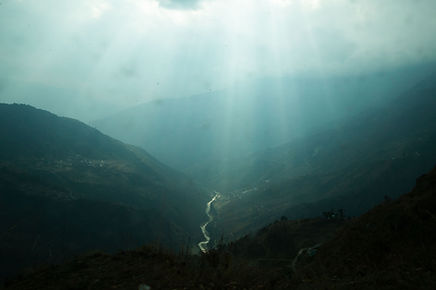
The journey begins its return from Pangchen to Sangti Valley, retracing the mountain roads through changing landscapes. By evening, the group gathers for a closing reflection, sharing experiences, insights, and moments that shaped the journey
Day 8 | March 20
Return to Guwahati
Travel: ~8 hours | ~380 km (with breaks)

The final day marks the transition back to the plains. Leaving Sangti Valley, the long drive to Guwahati offers space for quiet reflection as the landscapes gradually shift once more from mountains to river plains, bringing the Pangchen Kora journey to a close
Inclusions
-
All transportation (Guwahati – Sangti – Zemithang – Sangti – Guwahati)
-
Stay in Guwahati on March 12 and March 20
-
Inner Line Permit (ILP)
-
All meals throughout the journey, including during travel days
-
Accommodation on a shared basis (twin-sharing by default)
-
All meals (except specified transit meals)
-
Guided village walks, nature trails, and cultural sessions
-
Local guides, naturalists, and facilitators
-
Entry fees and site permits
-
Private rooms, if available, can be opted for on special request at an additional cost
Exclusions
-
Meals during long transit stretches
-
Personal expenses and souvenirs
-
Travel and medical insurance
-
Activities outside the planned itinerary
-
Tips and gratuities
-
Expenses due to force majeure